
 USA
 Malaysia
 Spanish
 Thailand
 Indonesia
 India
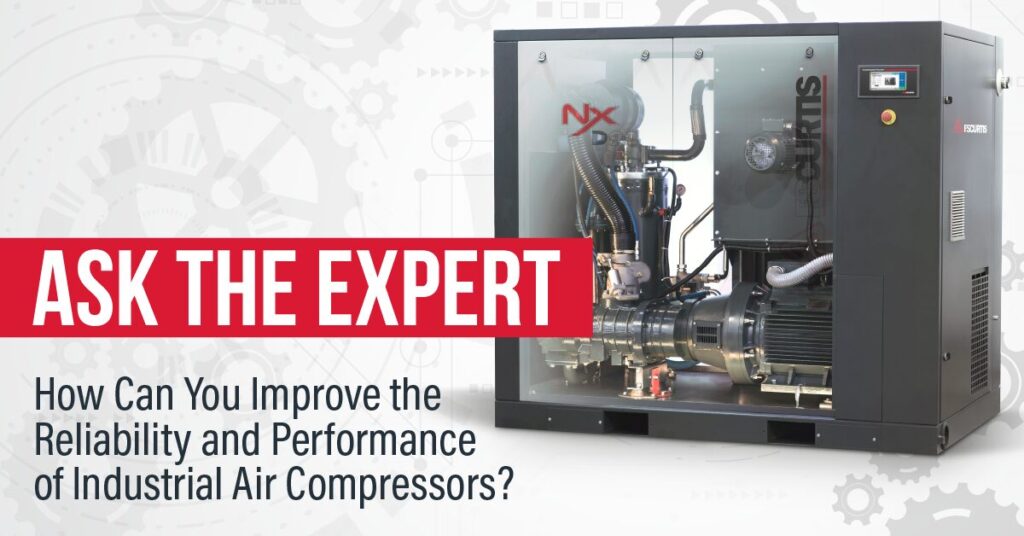
Industrial air compressors are critical assets in many facilities, but they’re frequently misunderstood or improperly maintained. We spoke with Gregory Gilliland, Quality Manager at FS Curtis, to break down common pitfalls, emerging best practices and how maintenance teams can improve reliability, efficiency and lifespan of these systems.
Q: What are the most common maintenance mistakes you see facilities make with industrial air compressors?
A: Two issues stand out across facilities: poor water management and excessive heat.
Water accumulation in receiving tanks is often overlooked, even though proper drainage is critical. While automatic drains can help, they still require monitoring to ensure they’re functioning correctly.
The second—and arguably most critical—mistake is failing to monitor discharge and ambient temperatures. Elevated temperatures inside the compressor or its operating environment can quickly lead to performance issues and long-term damage. In many cases, rising heat and excess moisture go hand in hand, making them the most common root causes of compressor problems.
Q: From a reliability standpoint, what early warning signs indicate a compressor problem before it leads to unplanned downtime?
A: Temperature trends and power consumption are the two most valuable early indicators.
Discharge temperature should remain relatively stable during normal operation. A gradual increase often signals issues such as clogged filters, poor ventilation or lubrication problems. Monitoring these trends, rather than waiting for alarms, is key to staying ahead of failures.
Power consumption is equally telling. If a compressor begins drawing more energy without a corresponding increase in production demand, it’s a strong sign that something within the system is degrading or becoming inefficient.
Tracking these data points consistently provides a clear picture of machine health well before failure occurs.
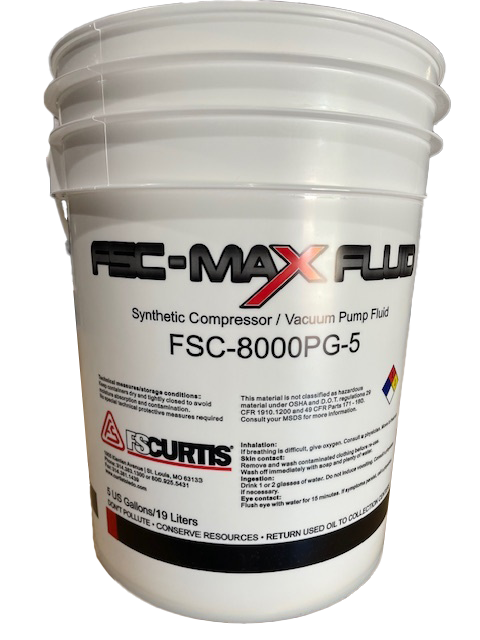 Q: How important is lubricant selection and management in overall compressor reliability and lifespan?
A: Lubrication plays a critical role in both reliability and equipment longevity.
Most compressor oils are designed for a standard service interval, but their lifespan is highly dependent on operating temperature. Even a small increase in temperature can significantly accelerate oil degradation and shorten service intervals.
Selecting the proper lubricant for the application and ensuring it aligns with operating temperature ranges is essential. Whenever possible, using OEM-recommended oils is ideal. If substitutes are necessary, they must match performance characteristics and thermal limitations.
Additives such as anti-wear, anti-corrosion and anti-foaming agents also play an important role, particularly in managing moisture and protecting internal components from damage.
Q: What role does contamination control play in compressor performance, and what best practices do you recommend for keeping systems clean?
A: Contamination control is directly tied to compressor performance and reliability.
Because compressors draw in large volumes of air, anything present in that air such as dust, debris, and humidity enters the system. Facilities in dirty or humid environments must prioritize filtration and air quality management.
Best practices include:
- Increasing the frequency of inlet filter changes in dusty environments
- Ensuring proper ventilation in compressor rooms
- Pulling intake air from cleaner, conditioned areas when possible
- Using downstream air treatment systems (filtration, drying) after compression
Keeping contaminants out at the source and properly treating compressed air afterward helps maintain efficiency and protect internal components.
Q: How should maintenance teams approach preventive versus predictive maintenance for compressors today?
A: Predictive maintenance is becoming increasingly valuable and practical.
Traditional preventive maintenance relies on fixed intervals, but modern approaches use real-time data to guide decisions. Monitoring key indicators like temperature, power usage, load cycles and vibration provides actionable insights into equipment condition.
For example, rising temperature trends may indicate lubrication issues, increased loading frequency could signal inefficiencies or changing demand, and vibration monitoring can detect mechanical wear early.
By combining these data points, facilities can move beyond rigid maintenance schedules and instead maintain compressors based on actual operating conditions to improve both reliability and cost efficiency.
Q: What are some overlooked components or inspection points that technicians should pay closer attention to during routine maintenance?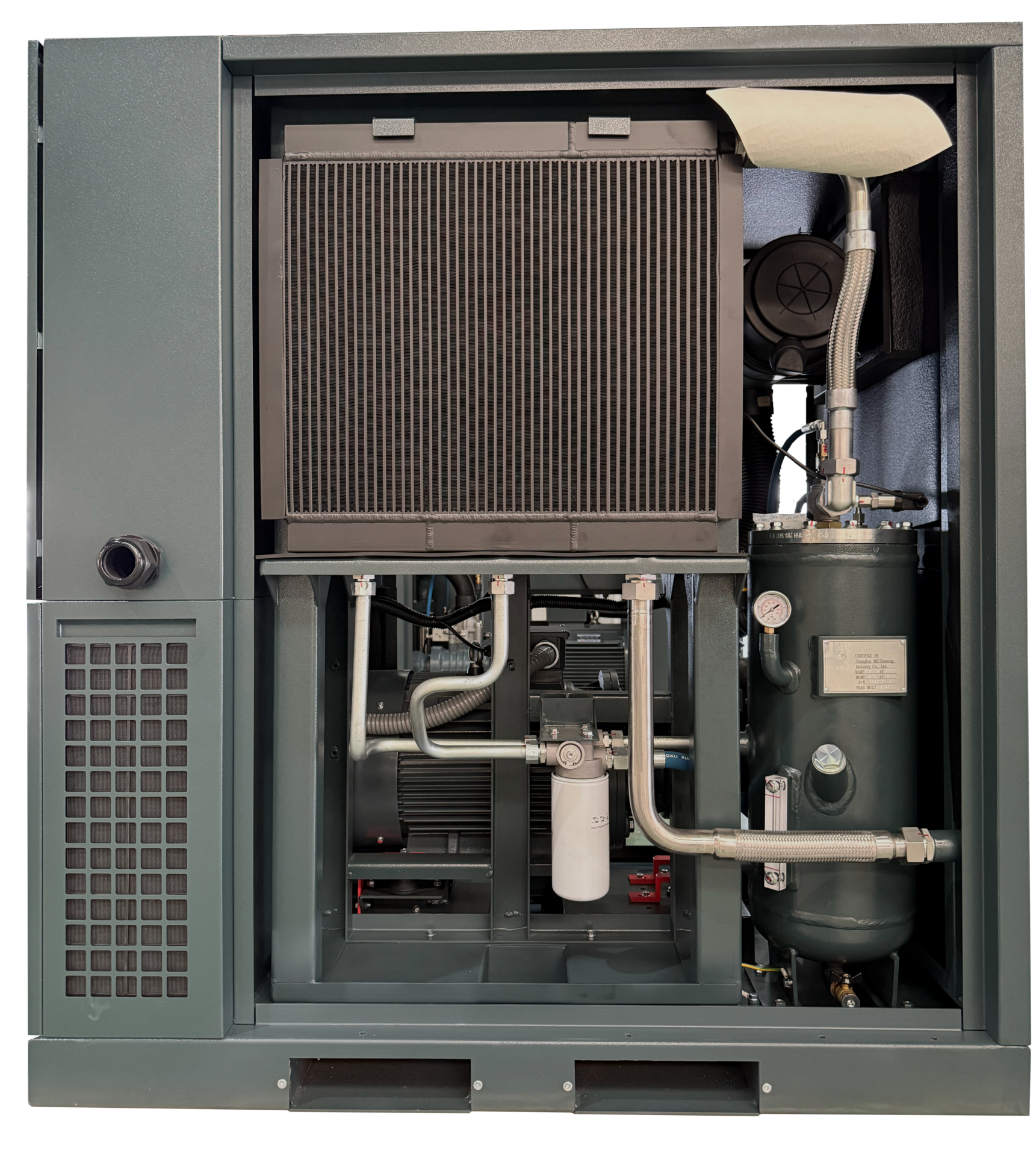
A: Several critical components are frequently overlooked simply because they’re difficult to access or not immediately visible.
These include check valves and minimum pressure valves, temperature control valves, coolers that may be partially clogged or restricted.
Because these components are often out of sight, issues may go unnoticed until performance is impacted. Monitoring pressure drops, temperature trends and system behavior can help identify problems early.
Additionally, technicians should pay closer attention to compressor duty cycles. Units that are either overworked or underutilized can experience reliability issues, making proper operation and system settings just as important as physical inspections.
Q: How can plants improve energy efficiency through better compressor maintenance practices?
A: Energy efficiency starts with clean, dry inlet air and extends to system design and operation.
While maintenance plays a role, such as keeping filters clean and systems operating properly, much of the efficiency improvement comes from how the compressor system is configured.
Key considerations include:
- Matching compressor size and type to actual demand
- Using variable speed or multi-compressor systems to handle load fluctuations
- Avoiding excessive idle time from oversized equipment
- Incorporating adequate air storage to reduce cycling
Even small operational adjustments like scheduling compressors or adding smaller units for off-peak demand can significantly reduce energy consumption over time.
Q: In harsh operating environments like high heat, dust or humidity, what additional maintenance considerations become critical?
A: Challenging environments amplify the importance of basic maintenance practices.
In high heat, lubricant degradation accelerates, requiring closer monitoring and potentially more frequent oil changes. In dusty conditions, filters must be inspected and replaced more often to prevent airflow restrictions.
Humidity introduces additional concerns around water management and corrosion. Facilities may need to prioritize dehumidified intake air, improved drainage systems and robust downstream air treatment.
Ultimately, harsher environments demand more frequent inspections, tighter monitoring of operating conditions and stricter adherence to maintenance best practices.
Q: For facilities struggling with recurring compressor failures or excessive maintenance costs, where should they start when trying to improve reliability?
A: The first step is ensuring the compressor system is properly matched to demand.
Recurring failures often stem from improper sizing or mismatched applications. Compressors that are overworked (or not worked enough) can both experience reliability issues.
Facilities should begin with an air audit to understand actual air demand over time, usage patterns throughout the day and week, and potential leaks or inefficiencies.
From there, improving maintenance practices such as consistent filter and oil changes, regular monitoring, and oil analysis can significantly enhance reliability.
Oil analysis, in particular, provides valuable insights into wear, contamination and fluid health, helping teams make informed decisions before failures occur.
By combining proper system design with disciplined maintenance and monitoring, facilities can reduce costs, improve uptime and extend equipment life
Bottom Line
Improving air compressor reliability is not about a single fix. It depends on consistent attention to fundamentals such as managing heat and moisture, monitoring performance indicators, and selecting and maintaining the right lubricant. Facilities that take a proactive, system-wide approach are better positioned to reduce unplanned downtime, extend equipment life, and improve overall efficiency.
For maintenance teams ready to move forward, partnering with an experienced compressor provider can help turn these best practices into measurable results. From air audits to system optimization and monitoring solutions, expert support can make a meaningful difference.
Meet Greg Gilliland
 Greg Gilliland joined FS-Curtis in 2021 after 14 years in industrial HVAC. He progressed from Quality Inspector to Quality Manager and Manager of Warranty & Technical Service before becoming Training Manager. He has led ISO 9001 audits, supported global quality system integration, and expanded factory and field service training. Greg now focuses on delivering responsive technical support while driving quality, training, and customer success.
Find the article on Machinery Lubrication.