
 USA
 Malaysia
 Spanish
 Thailand
 Indonesia
 India
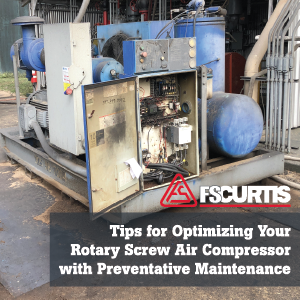
Keeping your air compressor healthy requires more than a routine check. Proactive and scheduled maintenance is paramount to ensuring a smooth run, minimizing downtime, and saving costs. Delaying maintenance until a breakdown can cause expensive and operational slowdowns.
A few straightforward steps can ensure you keep your air compressor healthy and happy:
Following Operator Manual’s Scheduled Maintenance
Performing regular maintenance on your rotary screw air compressor is paramount to prevent costly emergency repairs and unexpected downtime. Ensuring the scheduled maintenance is being completed will improve the compressor’s life expectancy and efficiency.
- Daily maintenance: check gauges and oil levels and inspect the controls.
- Quarterly, biannual, and annual service: refer to your compressor’s operation manual.
Inspect and Clean/Replace Air & Cabinet Filters
Air filters prevent dust, dirt, and other contaminants from entering compressed air equipment. These contaminants can damage internal components and reduce overall efficiency.
- Inspect your air filters monthly for signs of dirt and debris
- Clean or replace filters every 1,000 hours of operation (according to the compressor manual).
- Around high dust levels, consider utilizing high-efficiency filters and increasing inspections.
Ensure Proper Lubrication and Oil Levels
Lubrication minimizes friction and wear on the compressor’s moving parts. Without proper lubrication, the air compressor can overheat, leading to expensive repairs and long, unexpected downtime.
- Check oil levels weekly and add lubrication as needed.
- Change oil and oil filters every 2,000 hours (according to the compressor manual).
Regularly Drain Moisture from the System
If not adequately managed, moisture can lead to rust and corrosion within the system. Effective moisture control is essential to maintaining compressor efficiency and longevity.
- Drain the air receiver tank daily to remove accumulated moisture.
- Install automatic condensate drains to manage moisture in the system efficiently.
Rectify Air Leaks
Minor leaks can lead to wasted energy and increased operational costs. Leaving a leak unattended causes the compressor to overwork, which escalates energy consumption and diminishes efficiency.
- Establish a monthly program to conduct leak inspections on the compressed air equipment and the piping distribution system.
- Ensure you are using high-quality fittings, hoses, and components to reduce the likelihood of future leaks.
Inspect Belts and Drive Coupling
Regularly inspecting and maintaining the belts and drive coupling of your air compressor can save you time and money by preventing unexpected breakdowns and extending the life of your equipment.
- Inspect belts and couplers for cracks and other signs of wear and tear.
- Check the belt tension monthly, adjusting as needed.
Keep Coolers Clean
The frequency of cooler cleaning depends on the operating environment and usage of your air compressor. In dusty or dirty environments, more frequent cleaning may be necessary.
- Look for any visible signs of dirt, dust, or debris on the cooler fins and surfaces.
- Use a soft brush, compressed air, or a low-pressure washer to remove any buildup gently. Be careful not to damage the cooler fins during cleaning.
Inspect Air Treatment Equipment (dryers and filters)
By regularly checking and maintaining your air compressor’s air treatment equipment, you ensure the delivery of clean, dry air to your tools and machinery.
- Regularly inspect the air treatment equipment for any visible signs of wear, damage, or blockages. Look for any signs of corrosion or leaks. Inspect the air filters for dirt and clogs.
- Ensure the air dryer is functioning correctly. Check for any signs of moisture in the system downstream of the dryer, which could indicate a malfunction.
- Periodically test the compressed air’s quality to ensure the treatment equipment effectively removes contaminants.
Adhering to a preventative maintenance schedule will significantly enhance the performance and lifespan of your compressed air system. Proactively addressing these areas can help avoid unexpected breakdowns, optimize compressor performance, and save time and money.
Always refer to the manufacturer’s owner’s manual before performing any service or repairs.
Partner with an FS-Curtis Authorized Distributor to be sure you get the expert care and service you deserve.